
How Costume Design Influences an Actor’s Performance
Explores the deep connection between wardrobe and character development. Discover how costumes impact psychology, body language, movement, and emotional authenticity, while also serving as a visual narrative of a character’s journey. Perfect for actors and enthusiasts, this insight reveals how wearing the right costume can turn performance into transformation.
Introduction
When an actor steps on stage or in front of a camera, their performance is never just about words and expressions. Every detail — from posture to presence — is influenced by what they wear. Costume design is far more than visual decoration; it is a powerful tool that shapes an actor’s mindset, physicality, and connection to their role. A crown can inspire authority, a lab coat can signal precision, and worn-out clothes can speak volumes about struggle or loss. Costumes don’t just help the audience believe in the character — they help the actor become the character. Through texture, color, and movement, costume design bridges the gap between performance and storytelling, turning clothing into character.
The Psychology of Costumes
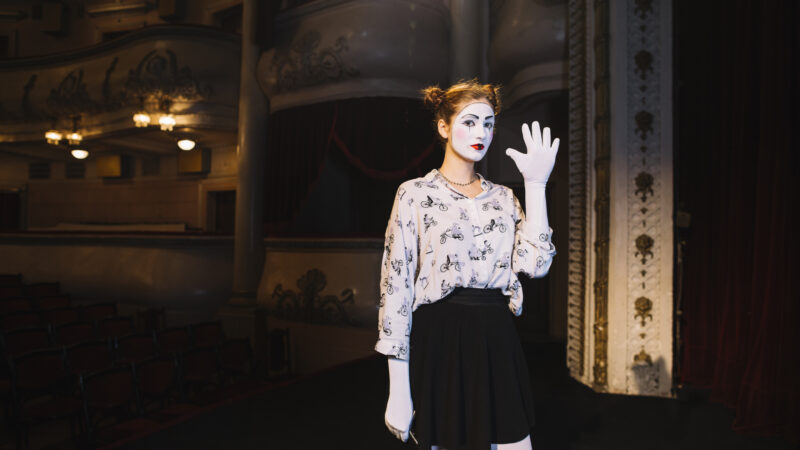
Costume design goes beyond fashion. The clothes an actor wears affect their psychology and mindset. For example, when an actor steps into a royal costume with a crown and heavy robes, they immediately start carrying themselves with authority. On the other hand, casual modern clothing may give them a relaxed, relatable aura.
Researchers in performance studies have shown that costumes can shift body language and even alter confidence levels. The right wardrobe allows the actor to “become” the character instead of just pretending to be one.
Building Character Through Wardrobe
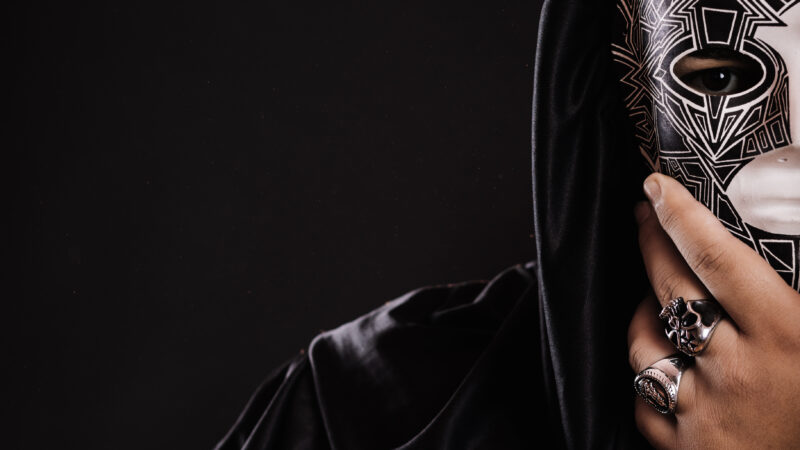
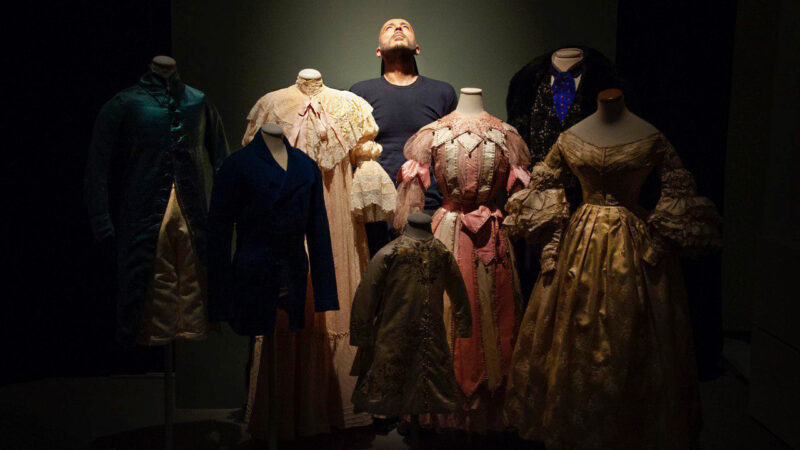
Every character has a story, and costumes act as visual storytelling tools. Think of a detective’s trench coat, a superhero’s suit, or a doctor’s white coat. These are not just clothes — they are extensions of personality and profession.
When costume designers work closely with actors, they help them unlock deeper character traits. Small details like fabric texture, color palette, or accessories influence how the audience perceives the role. A rugged leather jacket can signal rebellion, while pastel shades might hint at innocence or vulnerability.
Movement and Physical Expression
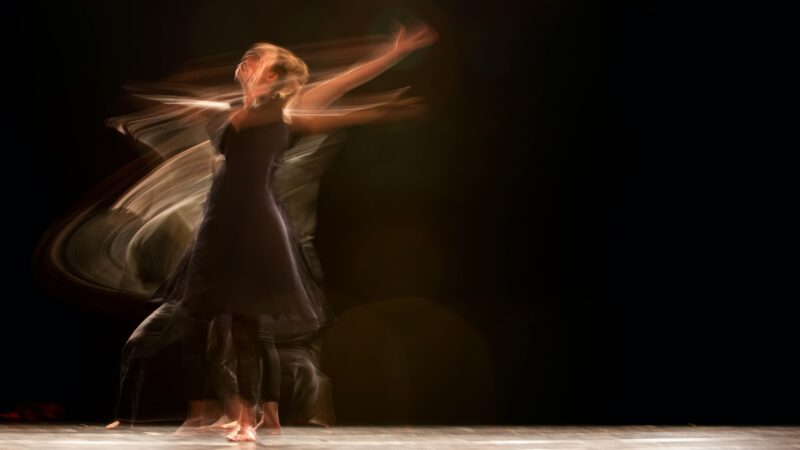
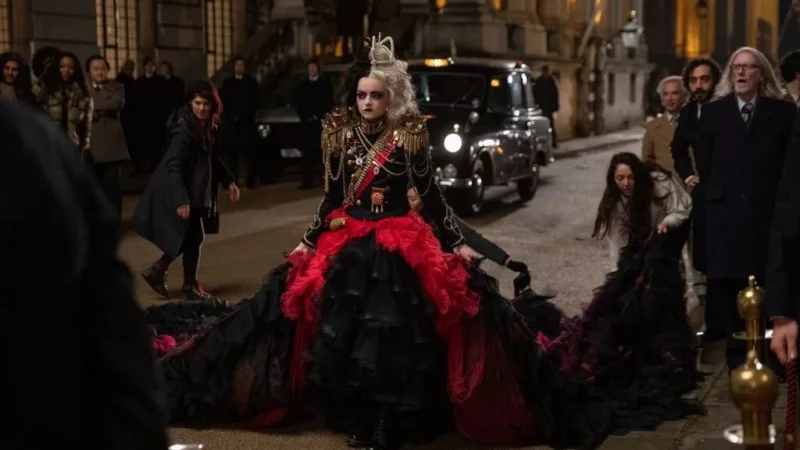
Costumes also affect how actors move. Heavy gowns or armor restrict mobility, forcing actors to adapt their gestures and pacing. Meanwhile, light, flexible costumes allow for more energetic performances.
For example, in Shakespearean plays, the elaborate costumes demand a grand, formal style of acting. In contrast, a modern minimalist wardrobe makes the performance feel more natural and grounded.
Emotional Connection
Wardrobe impacts not just the audience but also the actor’s emotional connection with the role. Wearing the exact type of clothing their character would wear helps actors immerse themselves into the world of the script. It creates authenticity.
This is why method actors often insist on wearing their costumes during rehearsals. It allows them to bond with the character’s identity from the inside out.
Costume and Character Development
Costume evolution also mirrors character development. A hero’s journey, for example, may begin with simple attire and gradually evolve into a powerful, polished costume as their story unfolds. Similarly, a character’s downfall can be depicted through torn, faded, or unkempt clothing.
This visual storytelling adds another dimension to acting. Viewers subconsciously register these changes and connect more deeply with the character’s journey.
Collaboration Between Designers and Actors
A successful performance is always a team effort. Costume designers don’t just hand over clothes; they collaborate with actors, directors, and makeup artists to ensure harmony. By discussing the role in detail, they bring out nuances that align with the actor’s interpretation of the script.
For instance, if an actor feels uncomfortable or restricted in a certain fabric, it may affect their confidence on stage. Designers adapt and adjust until the wardrobe feels like a natural extension of the character.
Final Thoughts
Costume design is more than decoration — it’s a performance enhancer. From psychology and body language to emotional depth and character growth, wardrobe influences every layer of acting.
Next time you watch a movie, play, or web series, pay attention to how costumes silently shape the storytelling. For actors, understanding this connection is a game-changer — it transforms “wearing clothes” into “wearing identities.”
👉 Want to sharpen your acting craft with insights that professionals use? Explore more at Acting by Sarfraz
Ready to Level Up Your Performance?
Master these warm-ups with personalized coaching. Get weekly acting drills, technique breakdowns, and performance tips delivered to your inbox.