
Acting in One-Take Scenes
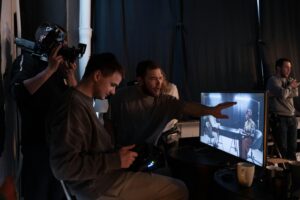
Acting in One-Take Scenes requires performers to deliver a complete, uninterrupted performance with precision, focus, and emotional consistency. Every movement and expression must align perfectly, as there are no cuts to correct mistakes. It demands a strong blend of discipline, awareness, and real-time adaptability.
- Table of Contents
- 1.The Art of No Cuts: Understanding Continuous Performance
- 2. Entering the Flow State: Mental Readiness for Long Takes
- 3. Sustaining Emotional Truth Without Breaks
- 4. Precision in Motion: Timing, Blocking & Awareness
- 5. Actor–Camera Synchronization: Moving as One Unit
- 6. Navigating Mistakes Without Breaking Character
1.The Art of No Cuts: Understanding Continuous Performance
One-take scenes are among the most demanding forms of cinematic acting. Unlike traditional scenes where multiple cuts allow correction and refinement, a one-take performance unfolds in real time. The actor must remain fully present from start to finish, maintaining character, emotion, and physical precision.
This style of filmmaking creates a sense of realism and immersion. The audience experiences the story as if it is happening live, making every movement and reaction more impactful.
2. Entering the Flow State: Mental Readiness for Long Takes
A one-take scene requires actors to enter a “flow state,” where concentration is effortless and distractions disappear. This mental condition allows performers to react naturally rather than overthinking each moment.
Actors prepare for this by:
- Practicing mindfulness or meditation
- Visualizing the entire scene before shooting
- Trusting their instincts instead of controlling every action
Flow state transforms acting from performance into experience.
3. Sustaining Emotional Truth Without Breaks
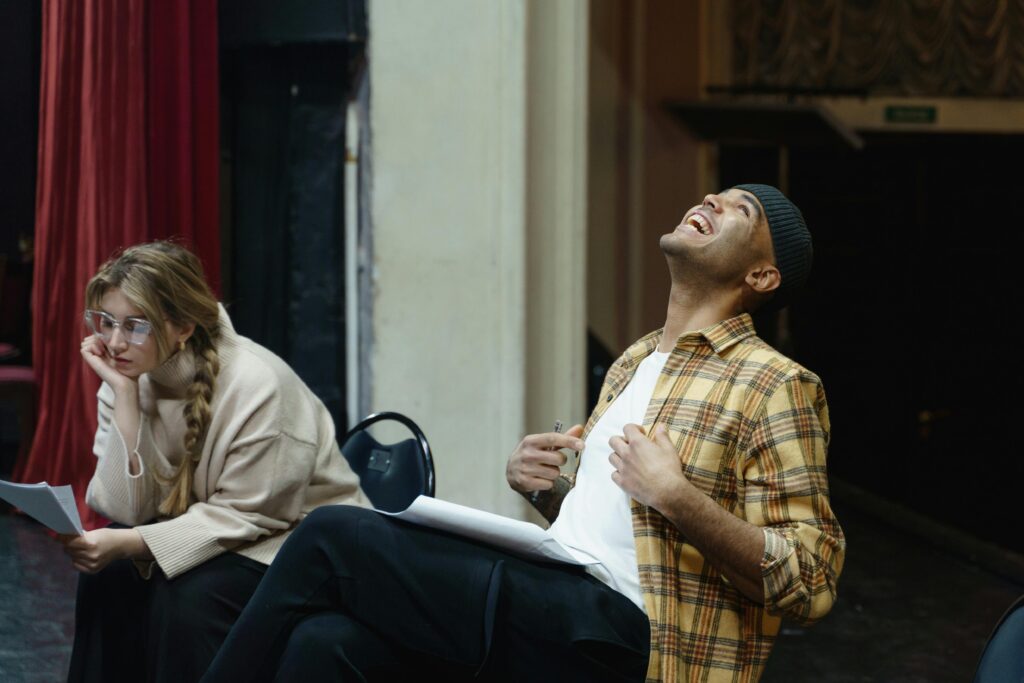
In continuous scenes, emotions must evolve naturally without interruption. Unlike cut-based acting, there is no reset button.
Actors must:
- Build emotional arcs gradually
- Stay connected to the character’s objective
- Avoid emotional “spikes” that feel unnatural
The challenge is not just expressing emotion, but sustaining it truthfully over time.
4. Precision in Motion: Timing, Blocking & Awarenesse
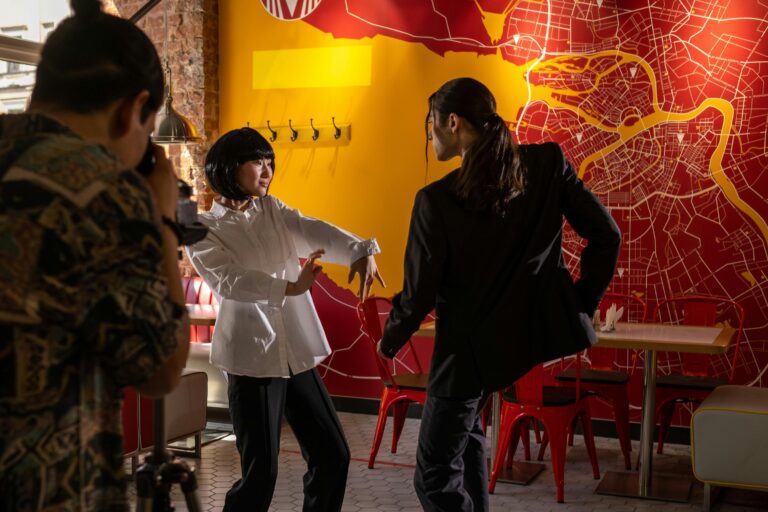
One-take scenes are highly choreographed. Every movement, step, and gesture must align with camera movements and timing.
Actors must master:
- Blocking (planned movements in space)
- Timing (synchronizing actions with cues)
- Spatial awareness (knowing positions without looking)
A small mistake in movement can disrupt the entire shot, making precision essential.
5. Actor–Camera Synchronization: Moving as One Unit
In one-take scenes, the camera becomes a partner. The actor and camera must move together seamlessly, almost like a dance.
This requires:
- Understanding camera paths
- Matching pace with camera operators
- Maintaining performance while adjusting position
Great one-take performances happen when actors stop “acting for the camera” and start “acting with the camera.”
6. Navigating Mistakes Without Breaking Character
Mistakes are inevitable in long takes. A missed line or wrong movement can happen at any moment.
The key skill is recovery:
- Stay in character no matter what
- Adapt dialogue or actions naturally
- Turn mistakes into believable moments
Often, the best performances come from how actors handle unexpected situations.
Ready to Level Up Your Performance?
Master these warm-ups with personalized coaching. Get weekly acting drills, technique breakdowns, and performance tips delivered to your inbox.
Disclaimer: The information provided is for general informational purposes only and should not be considered professional advice. We do not make any warranties about the accuracy or reliability of the content. Any reliance you place on such information is strictly at your own risk. Please consult a qualified professional before making any decisions. For queries, contact: administrator@abs.media.