
The Evolution of Audience Preferences in Global Cinema

Audience preferences in global cinema are transforming the film industry by influencing storytelling, production, and distribution. Understanding these preferences is key to creating successful films in today’s global market.
- Table of Contents
- 1. Introduction to Audience Preferences in Global Cinema
- 2. Impact of Streaming Platforms on Audience Preferences in Global Cinema
- 3. Rise of Diverse Content in Global Cinema
- 4. Changing Viewing Habits of Global Audiences
- 5. Influence of Social Media on Audience Preferences in Global Cinema
- 6. Demand for Authentic and Real Stories
- 7. Challenges in Meeting Global Audience Expectations
- 8. Future of Audience Preferences in Global Cinema
1. Introduction to Audience Preferences in Global Cinema
Audience preferences in global cinema have undergone a major transformation in the last decade. With the rise of digital technology, streaming platforms, and global connectivity, viewers are no longer limited to films from their own region. Today, audiences actively explore international content, discovering stories from different cultures, languages, and perspectives.
This shift has changed the way films are created and distributed. Filmmakers now aim to produce content that appeals to a global audience while maintaining cultural authenticity. As a result, global cinema has become more diverse, inclusive, and innovative than ever before.
2. Impact of Streaming Platforms on Audience Preferences in Global Cinema
Streaming platforms such as Netflix and Disney+ have played a crucial role in shaping audience preferences in global cinema. These platforms provide access to thousands of films and shows from around the world, allowing viewers to explore content beyond their local industries.
Key Changes:
- Instant access to international films
- Personalized recommendations based on viewing habits
- Availability of subtitles and dubbing
Streaming platforms have removed traditional barriers, making it easier for audiences to engage with global cinema. This has increased the demand for diverse storytelling and unique narratives.
3. Rise of Diverse Content in Global Cinema
One of the biggest changes in audience preferences in global cinema is the growing demand for diverse content. Viewers today want to see stories that reflect different cultures, identities, and experiences.
Films from countries like South Korea, India, and Spain have gained global recognition due to their unique storytelling styles. Audiences appreciate authenticity and originality rather than repetitive mainstream content.
Why Diversity Matters:
- It introduces new perspectives
- It builds cultural understanding
- It enhances storytelling creativity
As a result, filmmakers are now focusing more on culturally rich narratives that resonate globally.

4. Changing Viewing Habits of Global Audiences
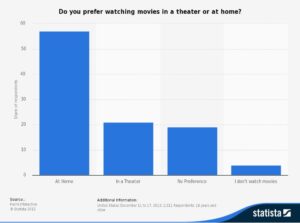
Modern viewing habits have significantly influenced audience preferences in global cinema. Unlike traditional cinema-going experiences, audiences now prefer flexible and convenient viewing options.
Major Trends:
- Binge-watching: Watching multiple episodes or films in one sitting
- On-demand viewing: Choosing what to watch anytime
- Mobile streaming: Watching content on smartphones and tablets
These habits have changed how filmmakers structure their content. Stories are now designed to be engaging from the beginning, with faster pacing and strong hooks.
5. Influence of Social Media on Audience Preferences in Global Cinema
Social media platforms have become powerful tools in shaping audience preferences in global cinema. Platforms like Instagram, YouTube, and TikTok allow films to reach global audiences quickly through trailers, clips, and viral trends.
Key Impacts:
- Instant audience feedback and reviews
- Viral promotion of film scenes
- Increased visibility for independent films
A single viral moment can boost a film’s popularity worldwide. This has made digital marketing an essential part of modern cinema.
6. Demand for Authentic and Real Stories
Audiences today prefer films that feel real and emotionally engaging. This has increased the demand for authentic storytelling in global cinema.
Audience Expectations:
- Real-life inspired stories
- Strong emotional connections
- Honest and relatable characters
This shift has encouraged filmmakers to move away from exaggerated storytelling and focus on realism.
7. Challenges in Meeting Global Audience Expectations
While audience preferences in global cinema are evolving, meeting these expectations is challenging for filmmakers.
Challenges:
- Cultural differences and sensitivities
- Language barriers
- Balancing global appeal with local authenticity
🔹 Solution:
Filmmakers must understand their target audience while staying true to their cultural roots.
8. Future of Audience Preferences in Global Cinema
The future of audience preferences in global cinema will continue to evolve with technology and globalization.
Emerging Trends:
- Increased global collaborations
- Use of artificial intelligence in recommendations
- Growth of niche genres and independent cinema
Audiences are becoming more selective and informed, pushing filmmakers to innovate continuously.

Ready to Level Up Your Performance?
Master these warm-ups with personalized coaching. Get weekly acting drills, technique breakdowns, and performance tips delivered to your inbox.
Disclaimer: The information provided is for general informational purposes only and should not be considered professional advice. We do not make any warranties about the accuracy or reliability of the content. Any reliance you place on such information is strictly at your own risk. Please consult a qualified professional before making any decisions. For queries, contact: administrator@abs.media.