
How to Get Into a Character: A Practical Guide for Actors
A step-by-step framework to help actors build emotional depth, psychology, physicality, and inner life for any role.
Introduction
Getting into character is more than memorizing lines or changing posture—it’s the art of transforming into a believable human being.
Actors must understand the character’s psychology, emotional triggers, movement, voice, relationships, and internal world.
This article offers a practical, professional approach to character preparation using techniques inspired by Stanislavski, Meisner, Method Acting, and modern camera-focused performance styles.
2. Understanding Character Psychology
Purpose
Help actors build a clear mental and emotional blueprint of who the character is.
Key Questions Every Actor Must Answer
What does my character want? (Objective)
What blocks them from getting it? (Obstacles)
How do they try to get it? (Tactics)
What fear or insecurity drives them?
What is their relationship with each character in the story?
Character Psychology Tools
Motivation charts
Relationship mapping
Backstory creation
Character diaries
Quick Practical Exercise
Write a 10-line journal entry as your character about their morning.
Notice the emotional tone—angry, hopeful, anxious, confident.
💡 Pro Tip:
Don’t build too much backstory. Create only what strengthens emotional truth, not unnecessary details.
3. Building the Emotional Core
Purpose
Give actors tools to create believable emotional responses.
Where Emotion Comes From
Inner conflicts
Past wounds
Desires
Fears
Loved ones
Unspoken memories
Techniques to Build Emotional Access
Sense Memory (Safe Level):
Use gentle sensory memories to activate emotional states.Imagination-Based Emotion:
Visualize situations the character might experience.Objective-Driven Emotion:
Let the character’s goals pull emotion out naturally.Breath Control:
Adjusting breath creates emotional rhythm.
Emotional Activation Drill
Pick one line from the script and say it with:
fear
longing
guilt
excitement
suppressed anger
This builds emotional flexibility.
⚠️ Common Mistake:
Acting emotion instead of feeling intention. Focus on what the character wants, not how to “show” emotion.
4. Developing Physicality & Movement
Purpose
Build a body language that reflects your character’s psychology.
Physical Elements to Explore
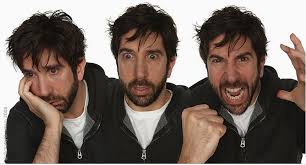
posture
gait (walking style)
tension points (jaw? shoulders? fists?)
pace of movement
level of energy
personal gestures or habits
Character Walk Exercise
Walk across the room imagining your character is:
heavier
lighter
nervous
dominant
shy
injured
Record yourself and notice which version feels most honest.
The Neutral Body Test
Before applying physical traits, return to a neutral, tension-free body.
Then add character choices gradually.
💡 Pro Tip:
Physicality should come from inner psychology—not forced imitation.

5. Voice, Rhythm & Speech Patterns
Purpose
Help actors shape the vocal identity of the character.
Key Vocal Factors
pitch
pace
tone
resonance
speech rhythm
accent (if relevant)
Vocal Character Building Techniques
Energy Mapping:
Does the character speak with urgency or calmness?Sound Placement:
Head voice? Chest voice? Mask area?Rhythmic Patterns:
Fast, clipped, melodic, hesitant, or monotone?Breath Style:
Shallow? Deep? Controlled? Labored?
Vocal Shift Drill
Say:
“I need to talk to you.”
in 5 variations:
whispered
confident
scared
sarcastic
distracted
⚠️ Common Mistake:
Confusing accent with character. A character’s voice is emotional, not only linguistic.
6. Creating Inner Life, Memories & Subtext
Purpose
Help actors bring depth to moments where nothing is said.
Inner Life Means
unspoken thoughts
emotional residue
mental images
expectations
fears
hidden desires
Why Inner Life Matters
Camera captures micro-shifts—thinking becomes visible.
Strong inner life = strong performance.
Subtext Techniques
Write what your character is really thinking under each line
Play the scene focusing only on subtext
React even before the other character speaks
Allow silence to carry emotional weight
Memory Activation Drill
Create 3 fictional memories for your character:
one happy
one painful
one secret
Feel how these memories shift your emotional temperature before the scene.
💡 Pro Tip:
Inner life is what transforms lines into living moments. Without it, acting feels flat.
Ready to Level Up Your Performance?
Master these warm-ups with personalized coaching. Get weekly acting drills, technique breakdowns, and performance tips delivered to your inbox.
Disclaimer: The information provided is for general informational purposes only and should not be considered professional advice. We do not make any warranties about the accuracy or reliability of the content. Any reliance you place on such information is strictly at your own risk. Please consult a qualified professional before making any decisions. For queries, contact: administrator@abs.media.