
Technical Knowledge Every Actor Should Know for a Successful Career
A practical guide to understanding cameras, lighting, sound, continuity, and on-set workflow — essential for modern actors.
Introduction
Today’s film and OTT industry demands more than good acting — it requires technical awareness.
Actors who understand how a camera reads emotion, how lighting affects facial detail, how microphones capture sound, and how to maintain continuity are the actors who make a director’s job easier.
This article breaks down the essential technical knowledge every actor should know to deliver professional, consistent, and castable performances.
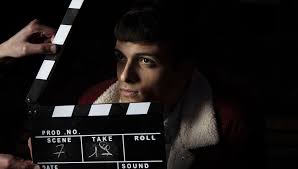
2. Understanding Camera Basics
Purpose
Help actors understand how camera setups influence performance choices.
Key Camera Concepts Actors Must Know
Framing
Wide Shot: full body
Medium: waist-up
Close-Up: face & micro-expressions
Extreme CU: eyes, lips, emotional detail
Angles
high angle, low angle, eye level
Lenses
wide lens exaggerates movement
telephoto lens compresses space and magnifies small expressions
Movement
dolly, pan, tilt, handheld
Why This Helps Actors
Adjust performance intensity based on frame size
Understand when small shifts matter more than big gestures
Maintain eyeline even when the camera shifts
Avoid movements that break focus
💡 Pro Tip:
On a close-up, reduce movement by 30–40% — the camera magnifies everything.
3. Importance of Lighting & How It Affects Performance
Purpose
Help actors understand how lighting creates mood and how to work within lighting constraints.
What Actors Should Know About Lighting
Key Light: main source
Fill Light: reduces shadows
Back Light: adds separation
Practical Lights: props like lamps, candles
Face Angles: certain angles catch light better for expression
Why Lighting Matters for Actors
Moving too much may take your face “out of light”
Emotional scenes rely on lighting consistency
Shadows can change character mood
Lighting affects how tears, sweat, subtle emotions appear on screen
Practical Tips
Find your “light pocket” — the angle where your face naturally glows
Keep eye line slightly toward the light during emotional scenes
Be aware of reflectors and avoid blocking them
⚠️ Common Mistake:
Turning your head too drastically in a close-up and falling into shadow during an important line.
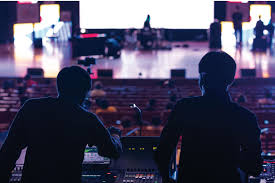
4. Sound Awareness & Microphone Etiquette
Purpose
Teach actors how sound recording affects delivery and movement.
Types of Microphones Actors Encounter
Boom Mic: overhead, directional
Lapel Mic (Lavalier): hidden on clothes
Plant Mic: placed in set pieces (like car dashboards)
How Actors Adjust for Sound
Maintain consistent vocal levels across takes
Avoid clothing rustle if wearing a lav
Do not look up at the boom mic (“boom shadow” risk)
Avoid touching mic areas
Stay within sound range during movement
Voice Performance Tips
Speak with breath support, not throat strain
Maintain emotional tone without whispering unless directed
For intense scenes, coordinate breath with the sound team
💡 Pro Tip:
Ask the sound team, “Is my volume okay?” They appreciate the professionalism.

5. Continuity, Blocking & Hitting Marks
Purpose
Help actors maintain consistency between takes for smooth editing.
Continuity Means:
Same hand gestures
Same timing for turns
Same emotional beats
Same prop movements
Same hair/clothing position (as much as possible)
Blocking Basics
Planned movement during the scene
Helps the camera team plan focus, lighting, and framing
Actors must memorize blocking precisely
Marks
Taped indicators on floor for camera focus
Missing your mark = blurry shot → multiple re-takes
Continuity Drill
Record a short 10-second scene.
Repeat it 5 times keeping:
gestures
timing
breath
identical.
This builds muscle memory for set work.
⚠️ Common Mistake:
Improvising new movements every take — editors hate this because it breaks continuity.
6. Set Terminology & On-Set Workflow
Purpose
Help actors understand how film crews function, improving communication and professionalism.
Essential On-Set Phrases
“Rolling” — cameras recording
“Settle” — stop movement/noise
“Action / Cut” — performance start/stop
“First positions” — return to starting spots
“Stand by” — be ready
“Check the gate” — final verification of shot
“Back to one” — reset to starting point
Who’s Who on Set
Director — creative decisions
AD Team — logistics, time, discipline
DP — camera, lighting, visual tone
Sound Team — audio quality
Focus Puller — sharpness of shot
Gaffer/Grip Team — lighting rigs
Script Supervisor — continuity checks
Why This Knowledge Helps Actors
Avoids confusion
Improves efficiency
Shows professionalism
Makes you easier to work with
Builds trust with crew and directors
💡 Pro Tip:
Crew members notice actors who stay alert and respectful — it builds a strong reputation.
Ready to Level Up Your Performance?
Master these warm-ups with personalized coaching. Get weekly acting drills, technique breakdowns, and performance tips delivered to your inbox.
Disclaimer: The information provided is for general informational purposes only and should not be considered professional advice. We do not make any warranties about the accuracy or reliability of the content. Any reliance you place on such information is strictly at your own risk. Please consult a qualified professional before making any decisions. For queries, contact: administrator@abs.media.