
The Impact of AI on Acting: How Technology Is Redefining Performance & Casting
A clear, practical guide for actors to understand AI’s influence on auditions, training, performance capture, and the future of the industry.
Introduction
Artificial Intelligence is rapidly reshaping the acting industry. From self-tape analysis tools to virtual actors and AI-driven casting platforms, technology now influences how performers are discovered, trained, and even replaced in certain contexts.
But here’s the truth:
AI cannot replace the human emotional engine that makes acting powerful — it can only reshape the workflow.
For actors, the goal is to understand AI, adapt to it, and use it to enhance performance rather than fear it.
This article breaks down how AI is transforming the acting world and what performers must do to stay ahead.
2. AI in Casting & Audition Processes
Purpose
Understand how AI is changing the way actors get discovered.
Key Changes in Casting
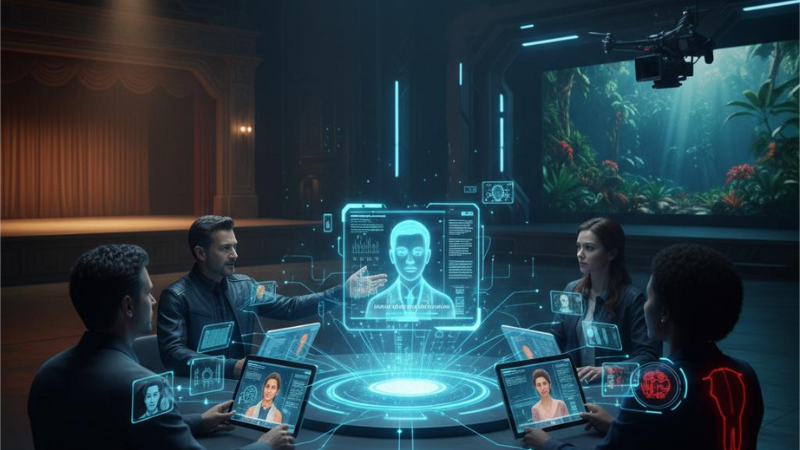
AI analyses thousands of reels and self-tapes quickly.
Casting directors use AI tools to shortlist actors based on face type, performance tone, and vocal quality.
Some platforms generate “digital auditions” to test different actors in the same environment.
What This Means for Actors
More opportunities to be seen
Faster decisions
Higher competition
Increased importance of consistent self-tape quality
Actor Adaptation Strategy
Maintain a clean, well-lit self-tape setup
Keep your portfolio updated frequently
Submit more regularly — AI casting runs 24/7
💡 Pro Tip:
Platforms like Castability, Casting Networks, and AI-powered talent databases now track your activity. Consistency increases visibility.

3. Performance Capture, Digital Doubles & Virtual Actors
Purpose
Explain how AI and VFX affect physical and emotional performance in films.
What’s Changing
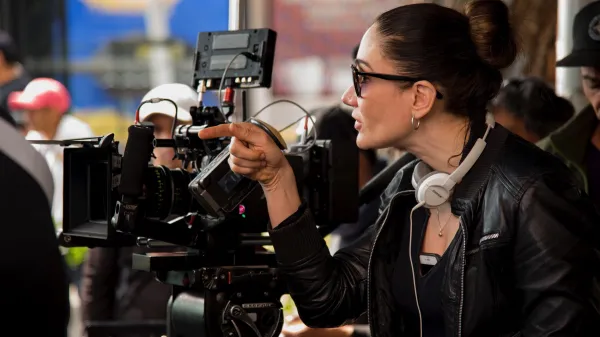
Motion capture suits track body movement with high precision
Facial capture tools map micro-expressions into digital characters
“Digital doubles” can extend an actor’s presence when unavailable
AI-generated background actors are replacing extras in some productions
Where Actors Still Matter
Emotional truth
Voice performance
Micro-expression accuracy
Improvisation and spontaneous discovery
AI can copy movement, but it cannot recreate soul, spontaneity, or lived emotional memory.
Actor Skill Requirements Now
Clean physicality
Expressive facial control
Neutral facial baseline for motion capture
Voice consistency for dubbing and digital replication
⚠️ Common Mistake:
Assuming performance capture requires less acting — it requires MORE precision.
4. AI as a Training & Script Analysis Tool
Purpose
Show how actors can use AI to improve skill, speed, and emotional clarity.
How AI Helps Actors Train
Provides instant feedback on vocal clarity
Suggests emotional beats in a script
Helps memorize lines through spaced repetition
Offers alternative readings and interpretations
Tracks progress over time
Best AI Tools for Actors
Script breakdown apps
Line rehearsal tools
Emotion-mapping AI
Video analysis for micro-expressions
Voice modulation analysis
How to Use AI Wisely
Treat it as a coach, not a replacement
Use feedback to refine emotional precision
Compare AI’s reading with your instincts
Use scripts to explore multiple choices quickly
💡 Pro Tip:
AI helps speed up the technical parts of acting — rehearsal, memorization, vocal clarity — so you can focus more on emotional truth.
5. Ethical Concerns & Industry Protections
Purpose
Prepare actors for debates around digital rights and usage.
Major Concerns
Unauthorized scanning of actors’ faces
Use of AI-generated likeness without consent
Replacement of background actors
AI voice cloning used without credit
Industry Responses
Hollywood negotiations now focus on “digital likeness rights”
Actors must sign clear AI usage agreements
Unions worldwide (SAG-AFTRA, Equity, ACTRA) are pushing for strict regulations
What Actors Should Do
Read contracts carefully
Understand terms like “digital replication” or “AI likeness usage”
Register with unions or legal advisors when working on major sets
Keep personal brand and identity protected online
⚠️ Important:
Never allow full-face 3D scans without confirming how long, where, and for what purpose your digital self will be used.
6. How Actors Can Stay Relevant in an AI-Driven Future
Purpose
Give actors a long-term strategy for success in a technologically evolving industry.
Key Skills for Future-Proof Actors
Emotional intelligence
Micro-expressions and facial subtlety
Strong voice modulation
Improvisation and response training
Movement precision for digital capture
Ability to collaborate with tech-driven sets
Career Growth Strategy
Update your digital portfolio regularly
Maintain strong social media visibility
Train camera skills, voice skills, and body awareness
Learn basic tech literacy (self-tapes, audio, lighting)
Stay adaptable — film sets evolve constantly
Mindset Shift
The actors who thrive are not the ones who resist change, but the ones who blend artistry with technology.
💡 Golden Rule:
AI can enhance efficiency, but performance truth is always human.
Ready to Level Up Your Performance?
Master these warm-ups with personalized coaching. Get weekly acting drills, technique breakdowns, and performance tips delivered to your inbox.
Disclaimer: The information provided is for general informational purposes only and should not be considered professional advice. We do not make any warranties about the accuracy or reliability of the content. Any reliance you place on such information is strictly at your own risk. Please consult a qualified professional before making any decisions. For queries, contact: administrator@abs.media.