
The Power of Silence: Acting Without Words
Teaches the art of non-verbal performance for emotional impact.
- Table of Contents
- 1. Introduction
- 2. The Power of Silence: Acting Beyond Words
- 3. Why Silence Speaks Louder Than Words?
- 4. Non-Verbal Tools Every Actor Should Master
- 5. Master Body Language
- 6, The Art of Facial Expressions
- 7. Making Gestures Matter
- 8. Storytelling Through Eye Contact
- 9. The Power of Silence and Stillness
- 10. Silent Acting Techniques
-
11. Why It Matters?
12. Final Thoughts
Introduction
Acting is often thought of as the art of speaking — delivering lines, projecting emotions through dialogue, and memorizing scripts. Yet some of the most unforgettable moments on stage or screen are born not from words, but from silence. A pause, a glance, or a stillness can carry more weight than a page of dialogue, drawing the audience deeper into the character’s inner world. Silence is not emptiness; it is presence, intensity, and truth. To master it is to unlock one of the most profound dimensions of performance — the art of speaking without words.

The Power of Silence: Acting Beyond Words
In acting, words tend to be the main focus. Scripts, monologues, and dialogue exchanges echo within the walls of rehearsal studios. But some of the most powerful moments in performance happen when nothing is said. A look, a pause, or even just a way someone stands can mean more than a whole page of words.
Learning to act without words is one of the most valuable skills an actor can have. It’s the art of non-verbal performance, and when done by a master, it can take your breath away.
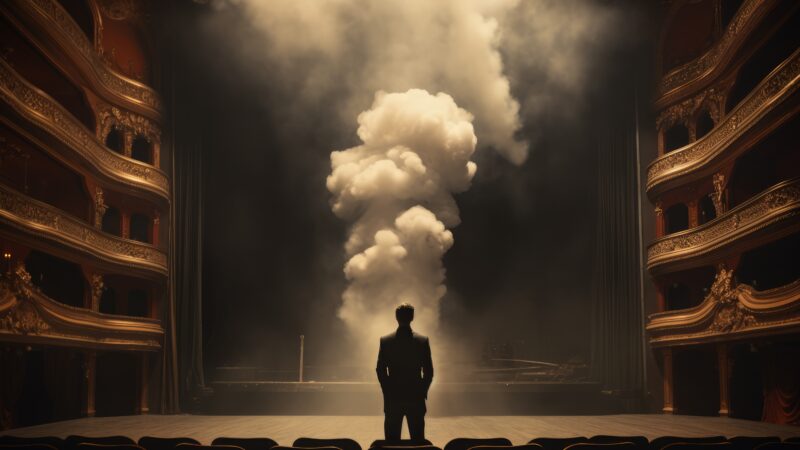
Why Silence Speaks Louder Than Words?
Think about the most memorable scenes in the movies or on stage. Often, they aren’t filled with words. They are filled with raw silence. Why?
Silence commands respect. When words stop, the audience leans in.
It reveals inner life. A pause allows the audience to feel what the character is feeling but not saying.
It makes emotions universal. Words are specific, but a look, a gesture, or a pause is universal.

Non-Verbal Tools Every Actor Should Master
Acting isn’t always about speaking. Some of the most powerful acting occurs in silence — through a gesture or look, or even in complete stillness. Non-verbal expression allows actors to tap into the emotions that are not easily expressed in words, making their art universal and profoundly human.

Here are the critical tools and techniques to integrate for mastering acting without words:
1. Master Body Language
Posture, stance, and movement convey to audiences what a character is feeling long before they speak. A confident hero would walk tall and wide, while an insecure person would shrink into themselves. Even the way a character stands, leans, or walks tells a story.
Exercise: Observe people in cafes, on buses, or in parks. Observe how their body changes with their mood. Then practice implementing them in your acting.
2. The Art of Facial Expressions
The face is the actor’s most adaptable tool. A raised eyebrow, a trembling lip, or a barely perceptible smile can speak volumes more than an entire page of dialogue.
Film acting needs to be very subtle because the camera magnifies everything.
Stage acting requires broader expressions to convey emotions to the audience members sitting farthest away.
Practicing both techniques makes you versatile.
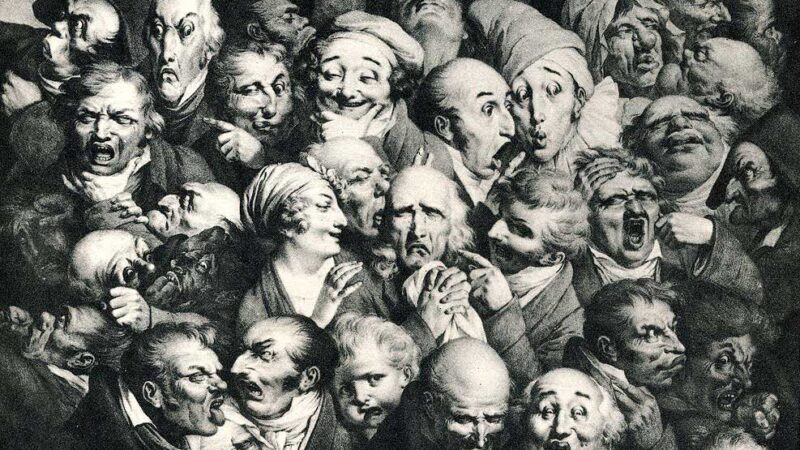
Making Gestures Matter
They are not arbitrary, but purposeful. A clenched fist shows anger, while a casual wave of a hand portrays unconcern. During rehearsal, break down your script and decide when gestures can help you strengthen your character’s truth.
Less is more: One precise gesture is better than 10 random ones.

Storytelling Through Eye Contact
“The eyes are the window to the soul” is more than a cliché. The eyes can express love, fear, guilt, or defiance. A lingering gaze can build intimacy, while a quick glance away might indicate shame.
Exercise: Practice a scene with your partner without words, using only eye contact. Look how much story you can tell without dialogue.
The Power of Silence and Stillness
Silence creates tension, focus, and anticipation. When intentional, stillness has the potential to enhance emotions and captivate the audience.
Emotional Expression: Silence enables actors to convey nuanced emotions beyond words.
Building Tension: The audience is on the edge of their seats, waiting for what comes next.
Heightened Drama: Stillness makes the most pivotal moments unforgettable.
Silent film legends, such as Charlie Chaplin and Buster Keaton, demonstrated that storytelling without words could captivate audiences worldwide.
Silent Acting Techniques
Observation & Imitation: Simply watch people in your everyday life and how they express their emotions without words. Mirror their behavior, and analyze your performance.
Physical Awareness & Control: Techniques such as yoga, dance, or mime assist actors in honing their bodily movements.
Subtext & Inner Monologue: Always be thinking the character’s thoughts, even when silent. And that will determine how you carry yourself and express yourself to others.
Breathing Techniques: Breath Influences Emotion Slow and steady breaths can reveal something about the character’s emotional state, as can shallow, quick ones.
Why It Matters?
A smile, frown, or glance is universal.
Silence can build intimate and authentic relationships.
Dynamic Performances: The stark contrast between the placid exterior and the turbulent interior gives her character realism and depth.

Final Thoughts
To master silence is to master presence. When words cease, emotions speak, and the audience listens. By mastering body language, facial expressions, gestures, eye contact, and stillness, actors can elevate their performances to a profoundly moving and multi-dimensional level. Silent Acting Exercises to Practice and Strengthen
Wordless Scene Practice:
Have a short script and play it once with words, then again using no words — only facial expressions, movement and eye contact.
Music-Driven Improvisation:
Put on a piece of music and act out a scene with no talking. Let the rhythm and melody flow through your heart.
Silent Observation:
Observe people in public settings. Observe how much they communicate without words: frustration at a bus stop, joy when meeting a friend, or boredom in a waiting room.
When Silence is More Effective
Moments of realization (a secret discovered, a betrayal felt)
Shifts in relationships (a silent hug, a look of rejection)
Climactic pauses before a violent outburst or a big decision
Moments when words would have felt inauthentic, but silence did.
Ready to Level Up Your Performance?
Master these warm-ups with personalized coaching. Get weekly acting drills, technique breakdowns, and performance tips delivered to your inbox.
Disclaimer: The information provided is for general informational purposes only and should not be considered professional advice. We do not make any warranties about the accuracy or reliability of the content. Any reliance you place on such information is strictly at your own risk. Please consult a qualified professional before making any decisions. For queries, contact: administrator@abs.media.