Introduction
One take scenes are among the most demanding forms of cinematic acting. Unlike traditional scenes where multiple cuts allow correction and refinement, a one-take performance unfolds in real time. The actor must remain fully present from start to finish, maintaining character, emotion, and physical precision.
This style of filmmaking creates a sense of realism and immersion. The audience experiences the story as if it is happening live, making every movement and reaction more impactful.
Entering the Flow State: Mental Readiness for Long Takes
A one-take scene requires actors to enter a “flow state,” where concentration is effortless and distractions disappear. This mental condition allows performers to react naturally rather than overthinking each moment.
Actors prepare for this by:
- Practicing mindfulness or meditation
- Visualizing the entire scene before shooting
- Trusting their instincts instead of controlling every action
Sustaining Emotional Truth Without Breaks
In continuous scenes, emotions must evolve naturally without interruption. Unlike cut-based acting, there is no reset button.
Actors must:
- Build emotional arcs gradually
- Stay connected to the character’s objective
- Avoid emotional “spikes” that feel unnatural
The challenge is not just expressing emotion, but sustaining it truthfully over time.
Precision in Motion: Timing, Blocking & Awareness
One-take scenes are highly choreographed. Every movement, step, and gesture must align with camera movements and timing.
Actors must master:
- Blocking (planned movements in space)
- Timing (synchronizing actions with cues)
- Spatial awareness (knowing positions without looking)
A small mistake in movement can disrupt the entire shot, making precision essential.
Actor–Camera Synchronization: Moving as One Unit
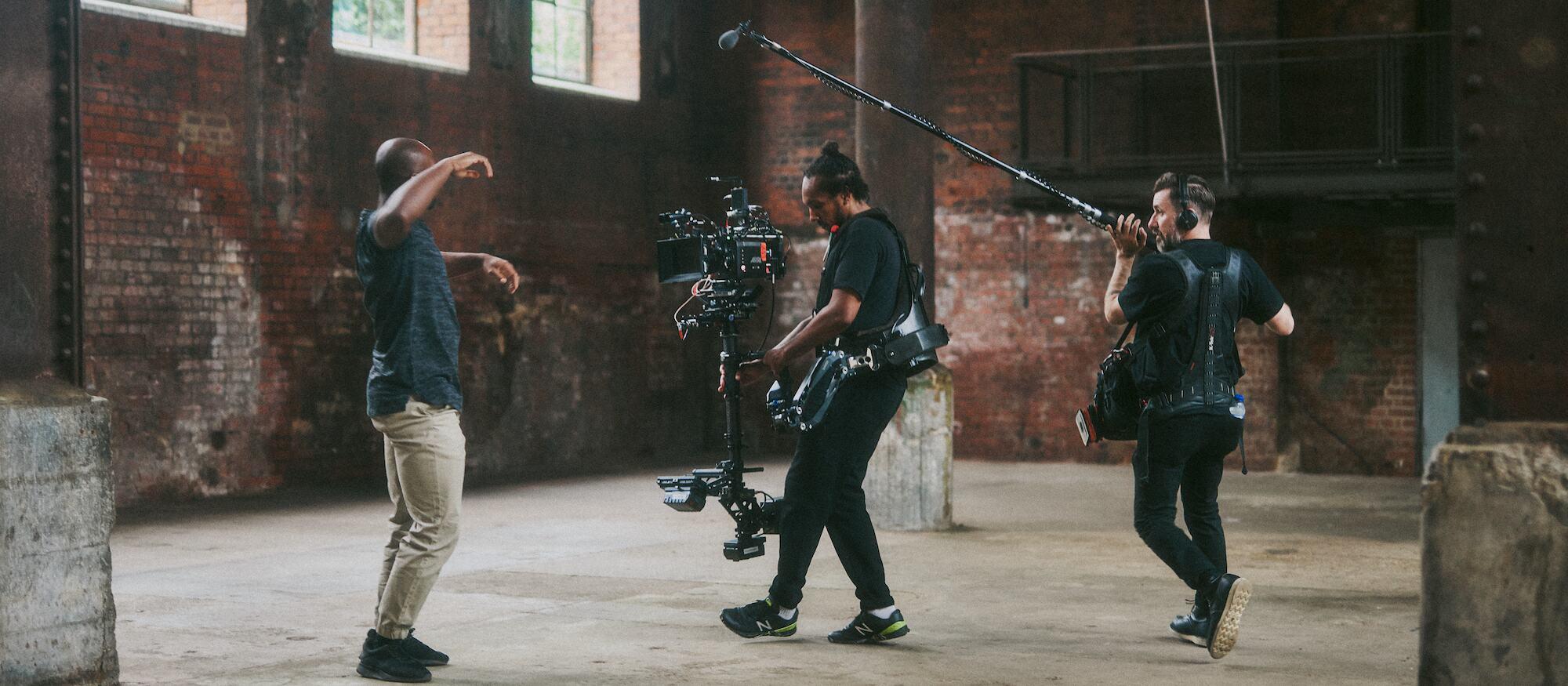
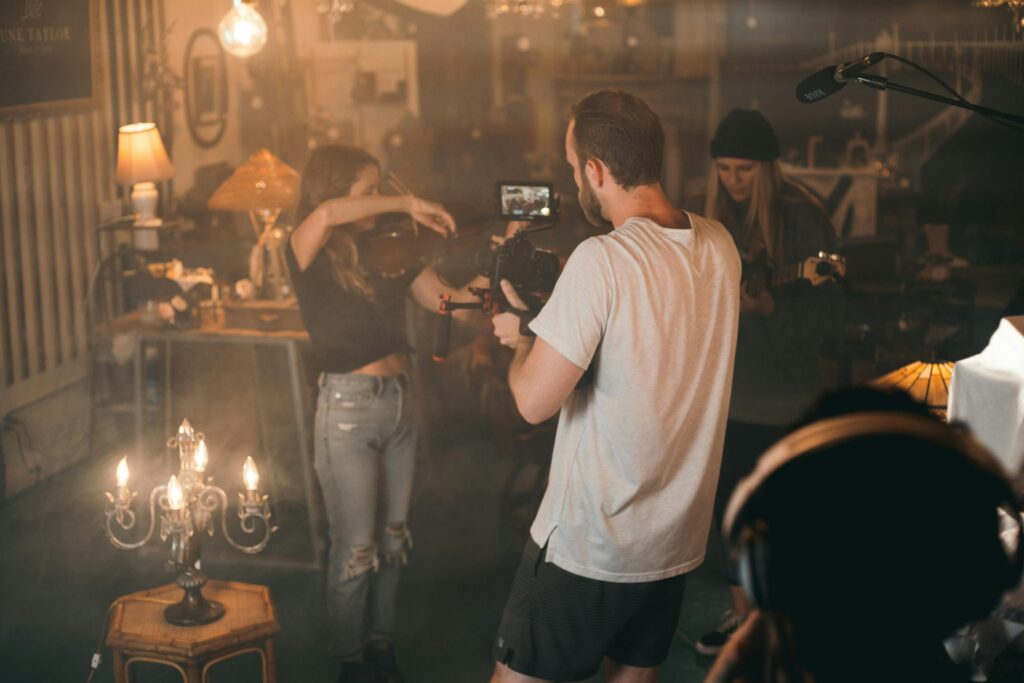
In one-take scenes, the camera becomes a partner. The actor and camera must move together seamlessly, almost like a dance.
This requires:
- Understanding camera paths
- Matching pace with camera operators
- Maintaining performance while adjusting position
Great one-take performances happen when actors stop “acting for the camera” and start “acting with the camera.”
Breath, Body & Energy Control in Extended Scenes
One-take acting is physically and emotionally exhausting. Actors must manage their energy to maintain consistency throughout the scene.
Important techniques include:
- Controlled breathing to regulate emotions
- Balanced body movement to avoid fatigue
- Voice modulation to sustain clarity
Energy should rise and fall naturally with the scene, not drop due to exhaustion.
From Pressure to Mastery: Evolving Through One-Take Acting
Performing in a single take can feel overwhelming. The pressure of “getting it right” in one go creates anxiety.
However, with experience:
- Pressure turns into focus
- Fear becomes excitement
- Complexity becomes creativity
Mastery comes when actors stop fearing mistakes and start embracing the challenge.
Navigating Mistakes Without Breaking Character
Mistakes are inevitable in long takes. A missed line or wrong movement can happen at any moment.
The key skill is recovery:
- Stay in character no matter what
- Adapt dialogue or actions naturally
- Turn mistakes into believable moments
Often, the best performances come from how actors handle unexpected situations.
Rehearsal as Reality: Building Seamless Executione
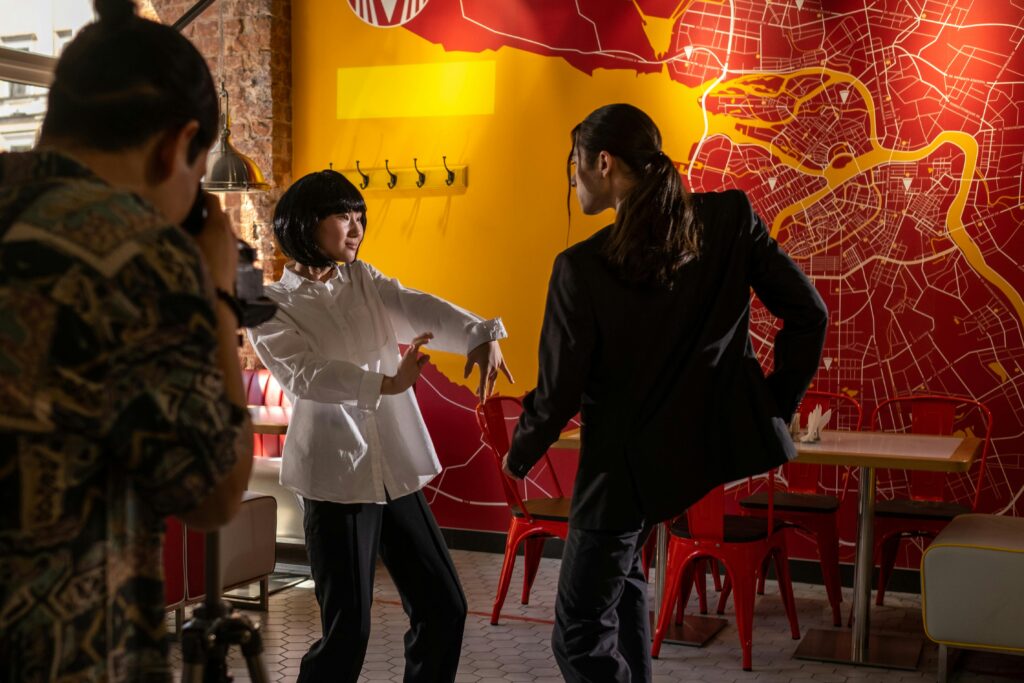
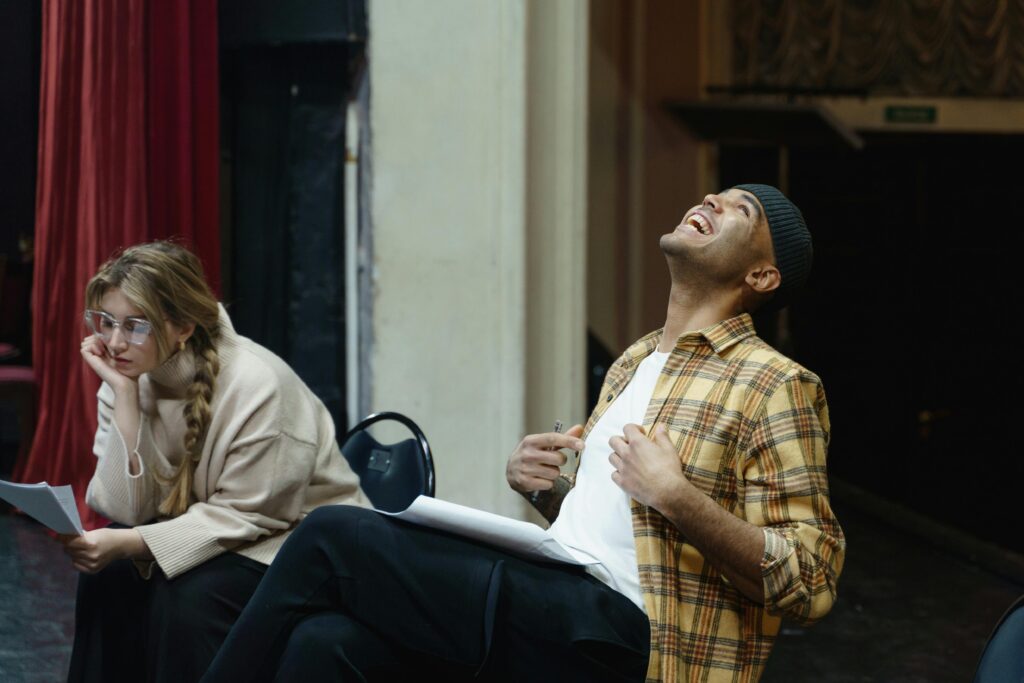
Rehearsal is the backbone of one-take acting. Unlike regular scenes, actors must rehearse until movements and emotions feel instinctive.
Effective rehearsal methods:
- Full scene run-throughs without stopping
- Practicing with camera movement included
- Recording rehearsals for self-analysis
Rehearsal transforms complexity into confidence.